Radiant In-Floor Heating Installation
Radiant In-Floor Heating Installation in West Bend, WI, and Surrounding Areas
Stay warm and comfortable during the coldest months with radiant in-floor heating installation from Wilkes Plumbing. Serving West Bend, WI, and the surrounding areas, we specialize in installing high-quality, energy-efficient radiant in-floor heating systems. Our expert team, backed by years of experience, provides seamless installations tailored to your specific needs and budget. With our services, you can enjoy consistent warmth throughout your home or business, enhancing comfort and reducing energy costs.
Professional Radiant In-Floor Heating Solutions for West Bend, WI
When it comes to radiant in-floor heating installation, West Bend, WI, homeowners and businesses trust Wilkes Plumbing. Our skilled professionals are trained in the latest techniques and use cutting-edge equipment to deliver superior installation services. We pay close attention to detail, ensuring your in-floor heating system operates efficiently and effectively. Choose us for your radiant in-floor heating needs and experience the difference that quality workmanship and excellent customer service can make.
Transform Your Living Space with Radiant In-Floor Heating
Discover the benefits of radiant in-floor heating with Wilkes Plumbing. Serving West Bend, WI, and the surrounding areas, we are committed to providing top-quality installation services that can transform your living or working space. Radiant in-floor heating offers even heat distribution, improved indoor air quality, and energy savings, making it an excellent choice for modern homes and businesses.
Contact us today for a free estimate and let us enhance your comfort with our superior radiant in-floor heating installation services.
Contact Us Today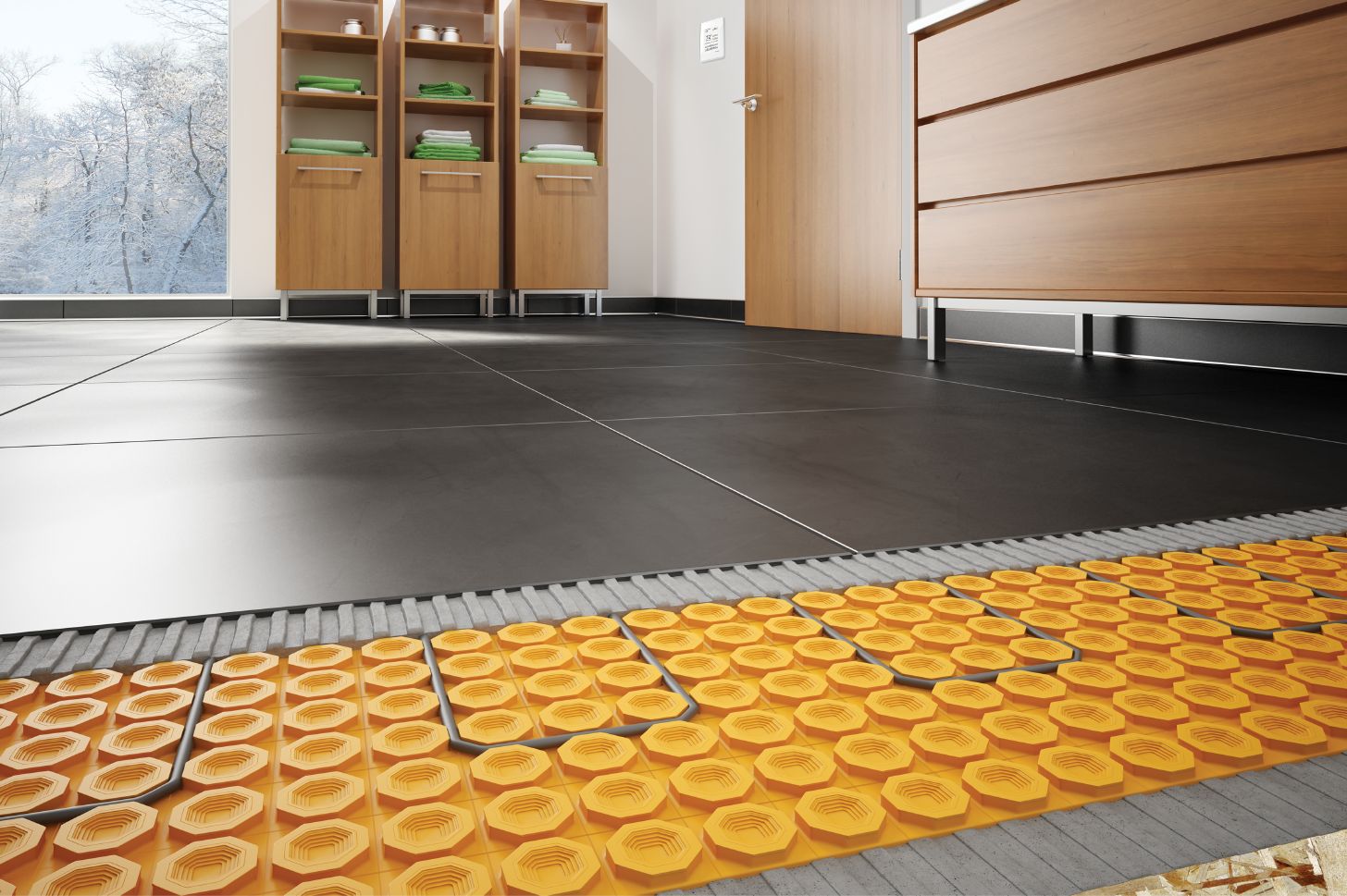
Radiant Floor Heating Installation FAQs for West Bend, WI
Answers to practical questions about planning radiant floor heating installation in a West Bend home or business.
What is the difference between hydronic and electric in-floor heating?
Hydronic systems circulate warm water through flexible tubing in or under the floor, heated by a boiler or water heater. They are common for larger areas and whole floors. Electric systems use thin heating cables or mats set beneath the flooring and are often chosen for a single room, such as a bathroom. The better choice usually depends on the size of the space and how the rest of the home is heated.
Which floor coverings work best over radiant heat?
Tile, stone and concrete are typically the best partners for radiant heat because they conduct and hold warmth well. Engineered wood and many vinyl products also work when they are rated for heated floors. Thick carpet and heavy padding can be used, but they act as insulation and slow the heat from reaching the room. Checking the flooring manufacturer's guidance before you buy is always a good idea.
Can heated floors be installed in a basement or garage slab?
Yes. When a new slab is poured, hydronic tubing can be laid out and set right into the concrete, with insulation underneath so the heat rises into the space rather than into the ground. Existing slabs can often be fitted with a thin overlay system instead. Heated basement and garage floors are a favorite in Wisconsin, where cold concrete can make those spaces uncomfortable for much of the year.
Can in-floor heating be added to an existing home without tearing out the floor?
Sometimes. Where there is open access below, such as an unfinished basement ceiling, hydronic tubing can often be attached to the underside of the subfloor with heat transfer plates. Low-profile overlay panels are another option that adds only a small amount of height. When neither works, the existing flooring typically comes up, which is why many homeowners add heat during a bathroom remodeling or kitchen project.
How is a radiant heating system controlled?
Most radiant systems are divided into zones, each with its own thermostat, and many use a floor sensor so the surface stays at a comfortable temperature. Because the floor warms and cools slowly, radiant heat works best when set and left alone rather than turned up and down often. It can also run alongside a furnace, which our heating services team can help you plan.


Customer Reviews
-

Cathy Stresing
4 months ago
Rated 5 out of 5
Very prompt, kind, and efficient! Highly recommended!
-

Jeff Jaworski
a year ago
Rated 5 out of 5
I built a new home and Wilkes was great from start to finish. Caroline in the office was always helpful when I had questions. Jerry went above and beyond in not only taking care of the plumbing, but also to coordinate with other contractors to make sure all of the small details were handled correctly by all. I would highly recommend. Thanks for a great experience!
-

Charlie Parchim
a year ago
Rated 5 out of 5
Very friendly staff, very professional. For some reason I trusted them right after my initial phone call regarding my issues at my house, Robert showed up when me and my wife were at work I opened up my garage door and he did his thing and closed my garage when he was finished. Would highly reccomend them to anyone and definitely use them again in the future for my household needs!
-

Ken Dornacker Jr
a year ago
Rated 5 out of 5
Very friendly & very timely also a helpful in finding warranty that I forgot I had from a different company. No other company would do that.
-

Jamie Kirst
2 years ago
Rated 5 out of 5
What a fantastic company! Not only did they come out and fix our sink drain and install a water heater in a timely fashion, they just went above and beyond to help us out! We just recently moved to a new house and they were more than understanding with our needs both financially and for the house. I recommend Rob highly for any plumbing needs! Thank you again for everything
-

Dave Olson
4 years ago
Rated 5 out of 5
Wilkes Plumbing did an outstanding job installing 3 challenging faucets. Joe knew exactly what he was doing, was efficient, and did a very high quality job. I highly recommend using Wilkes Plumbing.
-

Jonathan Parker
4 years ago
Rated 5 out of 5
Wilkes did a great job and coordinated with the biz doing our new flooring (Ideal Custom Flooring). We had 2 plumbers out that were friendly, efficient and patient with working around all of us being in the house as well. Highly recommend but they are a very busy shop so your best bet is scheduling well in advance of your plumbing needs, excluding emergencies.
-

Jake
4 years ago
Rated 5 out of 5
Had a leaky valve for washing machine, I called this morning for a appointment and Rob was available this afternoon to fix it. Thank you!
-

Diana Mcgath
4 years ago
Rated 5 out of 5
Fabulous!
-

Matthew Sepersky
5 years ago
Rated 5 out of 5
Amazingly detailed service. Our plumber was on time, worked efficiently and cleaned up after himself. Overall, could not have asked for a better experience.
-

Ellen Pawley
6 years ago
Rated 5 out of 5
Always come to our rescue! Same day service which was peace of mind!!
-

Robert Borkowski
6 years ago
Rated 5 out of 5
Great work fair price
-

Matthew Lemons
6 years ago
Rated 5 out of 5
Great company. Customer service was great over the phone and tim was great on site. Some of the best work I’ve seen. Tim thank you so much
-

Michael Rossa
6 years ago
Rated 5 out of 5
All of the above! We had a problem with no hot water all of a sudden? Had no idea but figured that the hot water heater quit. My husband just had a major surgery so he called them and you guys were awesome.!! Thankyou very much 🙂🙂👍
-

Rj Weyer
6 years ago
Rated 5 out of 5
Great family business
-

Patrick Kinney
7 years ago
Rated 5 out of 5
If you want a professional, then look no further.
-

Kara Fechter
8 years ago
Rated 5 out of 5
Tim couldn’t have been nicer
-

Andy Brooks
9 years ago
Rated 5 out of 5
Had problems throughout our home and their plumber had it all fixed/replaced in under 2 hours. Best experience I've had with a plumbers in a long time!
Customer
Call Wilkes Plumbing at 262-644-7045.