Pipe Repair/Replacement
Professional Pipe Repair and Replacement in West Bend, WI
At Wilkes Plumbing, we understand that your property’s plumbing integrity is of utmost importance. Whether it’s a minor pipe leak or a complete pipe replacement, we have the expertise to handle it all. Serving West Bend, WI, and the surrounding areas, we use the latest tools and techniques to ensure your pipes are in top-notch condition. Our family-owned business, with its roots dating back to 1998, assures you of quality service and superior workmanship.
Plumbing Pipe Repair in West Bend, IN
Don’t let a pipe issue disrupt your daily routine. In West Bend, WI, and beyond, homeowners and businesses trust Wilkes Plumbing for efficient pipe repair and replacement services. Our seasoned professionals use advanced technology to diagnose and address pipe issues, preventing potential water damage and saving you from costly repairs. Rely on our expertise and commitment to quality service as we safeguard the health of your plumbing system.
Plumbing Pipe Replacement
Sometimes, pipe repair isn’t enough, and replacement becomes necessary. At Wilkes Plumbing, we offer innovative and effective pipe replacement solutions tailored to your specific needs. Serving West Bend, WI, and nearby areas, our dedicated team ensures minimal disruption to your property during the replacement process. We uphold our longstanding reputation for excellence and customer satisfaction, offering comprehensive services from initial assessment to final cleanup. Contact us today for a free estimate and take a proactive step towards maintaining your property’s plumbing health.
Contact Us Today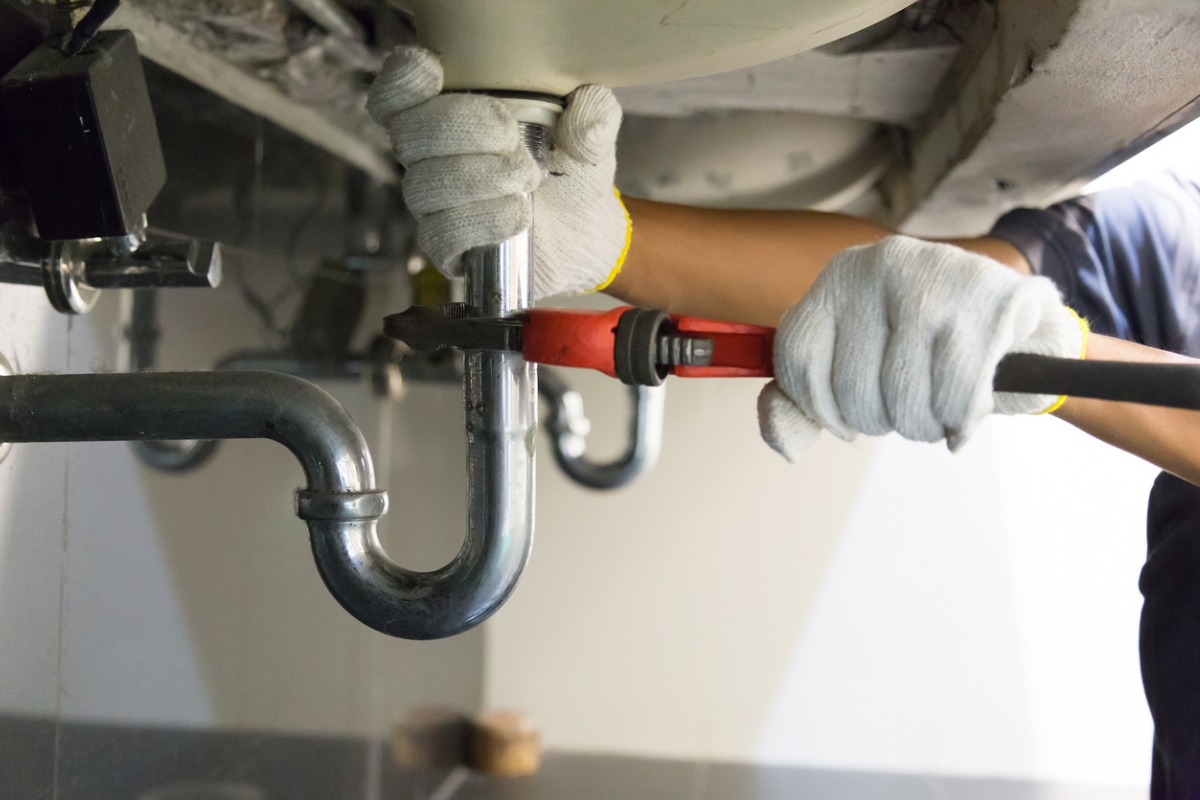
Pipe Repair FAQs for West Bend, WI
Common questions about plumbing pipe repair, pipe replacement and the piping found in West Bend homes and businesses.
Should I repair a damaged pipe or replace the whole line?
A single leak, crack or failed fitting on otherwise healthy pipe is usually a straightforward repair. Replacement starts to make more sense when leaks keep appearing in different spots, the pipe shows corrosion along its length or water pressure has dropped throughout the house. A plumber can inspect the condition of the line and explain whether a targeted pipe repair or a larger replacement is the better value for your property.
What kinds of pipes are common in older West Bend homes?
Many older homes in West Bend and across Washington County still have galvanized steel water lines, cast iron drain and sewer pipes, or early copper. Galvanized steel tends to corrode and narrow from the inside, cast iron can crack or rust through over time and older copper may develop pinhole leaks. Knowing what is in your walls helps you plan for repairs before a failure forces the issue.
Why is the water pressure low throughout my house?
Whole-house low pressure often traces back to corroded galvanized pipes that have narrowed inside, a main shutoff valve that is not fully open, a failing pressure regulator or mineral scale. Scale is common with hard water, and a water conditioning system can help protect new pipes from building it up again. When only one faucet is weak, the cause is usually its aerator or cartridge rather than the piping.
What pipe materials are used for replacement today?
Water supply lines are typically replaced with copper or PEX, a flexible plastic tubing that resists corrosion and needs fewer fittings. Drain and waste lines are usually replaced with PVC or ABS plastic. The right choice depends on the location, local code requirements and what the pipe connects to. A plumbing pipe replacement plan should match the material to each part of the system rather than using one product everywhere.
Why do my pipes bang when I turn off a faucet?
That loud knock is called water hammer. When a valve closes quickly, the moving water stops suddenly and sends a pressure surge through the line, which can rattle loosely secured pipes. Over time the repeated shock can stress joints and fittings. Common fixes include securing loose pipe straps, adding water hammer arrestors near quick-closing valves on washers and dishwashers, and checking that household water pressure is not too high.


Customer Reviews
-

Cathy Stresing
4 months ago
Rated 5 out of 5
Very prompt, kind, and efficient! Highly recommended!
-

Jeff Jaworski
a year ago
Rated 5 out of 5
I built a new home and Wilkes was great from start to finish. Caroline in the office was always helpful when I had questions. Jerry went above and beyond in not only taking care of the plumbing, but also to coordinate with other contractors to make sure all of the small details were handled correctly by all. I would highly recommend. Thanks for a great experience!
-

Charlie Parchim
a year ago
Rated 5 out of 5
Very friendly staff, very professional. For some reason I trusted them right after my initial phone call regarding my issues at my house, Robert showed up when me and my wife were at work I opened up my garage door and he did his thing and closed my garage when he was finished. Would highly reccomend them to anyone and definitely use them again in the future for my household needs!
-

Ken Dornacker Jr
a year ago
Rated 5 out of 5
Very friendly & very timely also a helpful in finding warranty that I forgot I had from a different company. No other company would do that.
-

Jamie Kirst
2 years ago
Rated 5 out of 5
What a fantastic company! Not only did they come out and fix our sink drain and install a water heater in a timely fashion, they just went above and beyond to help us out! We just recently moved to a new house and they were more than understanding with our needs both financially and for the house. I recommend Rob highly for any plumbing needs! Thank you again for everything
-

Dave Olson
4 years ago
Rated 5 out of 5
Wilkes Plumbing did an outstanding job installing 3 challenging faucets. Joe knew exactly what he was doing, was efficient, and did a very high quality job. I highly recommend using Wilkes Plumbing.
-

Jonathan Parker
4 years ago
Rated 5 out of 5
Wilkes did a great job and coordinated with the biz doing our new flooring (Ideal Custom Flooring). We had 2 plumbers out that were friendly, efficient and patient with working around all of us being in the house as well. Highly recommend but they are a very busy shop so your best bet is scheduling well in advance of your plumbing needs, excluding emergencies.
-

Jake
4 years ago
Rated 5 out of 5
Had a leaky valve for washing machine, I called this morning for a appointment and Rob was available this afternoon to fix it. Thank you!
-

Diana Mcgath
4 years ago
Rated 5 out of 5
Fabulous!
-

Matthew Sepersky
5 years ago
Rated 5 out of 5
Amazingly detailed service. Our plumber was on time, worked efficiently and cleaned up after himself. Overall, could not have asked for a better experience.
-

Ellen Pawley
6 years ago
Rated 5 out of 5
Always come to our rescue! Same day service which was peace of mind!!
-

Robert Borkowski
6 years ago
Rated 5 out of 5
Great work fair price
-

Matthew Lemons
6 years ago
Rated 5 out of 5
Great company. Customer service was great over the phone and tim was great on site. Some of the best work I’ve seen. Tim thank you so much
-

Michael Rossa
6 years ago
Rated 5 out of 5
All of the above! We had a problem with no hot water all of a sudden? Had no idea but figured that the hot water heater quit. My husband just had a major surgery so he called them and you guys were awesome.!! Thankyou very much 🙂🙂👍
-

Rj Weyer
6 years ago
Rated 5 out of 5
Great family business
-

Patrick Kinney
7 years ago
Rated 5 out of 5
If you want a professional, then look no further.
-

Kara Fechter
8 years ago
Rated 5 out of 5
Tim couldn’t have been nicer
-

Andy Brooks
9 years ago
Rated 5 out of 5
Had problems throughout our home and their plumber had it all fixed/replaced in under 2 hours. Best experience I've had with a plumbers in a long time!
Customer
Call Wilkes Plumbing at 262-644-7045.